The sump pumps in my french drain
Of my existence are the bane,
The cause of too much pain,
But only when it rains.
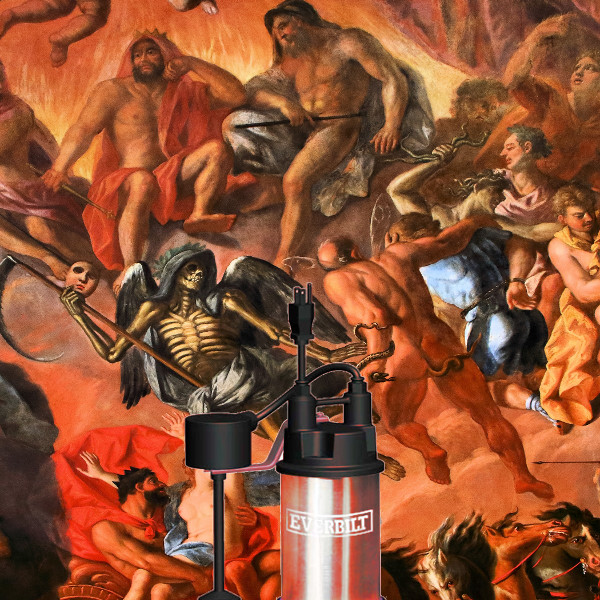
The sump pumps in my french drain
Of my existence are the bane,
The cause of too much pain,
But only when it rains.

It’s time for John Szeder‘s year-in-review Christmas poem!
‘Twas the night before christmas, and before it all ended,
Half of the internet found itself unfriended.We are still waiting for the year of VR.
It’s stuck in traffic, in a self-driving car.Blogging is out–all that writing is tedium,
Unless, of course, it was posted on medium.Or else it was twittered, or if you like, tweeted:
140 characters, invariably deleted.The buyers keep buying; the sellers keep selling.
Amazon has less of us leaving our dwelling.People are talking about new services and toys.
The signal is indistinguishable from all of the noise.So what could all of this possibly mean?
What is the statement for 2016?What is this “The Year Of”, What is new? What is trending?
What thing do we humblebrag in tones condescending?Is IoT enabling your elf on the shelf?
Did you run all the numbers on your quantifiable self?Can you control your video games with a gesture or thought?
Are your interactions meaningful with your conversational bot?I watch it all crawling forward, I sigh and I shrug.
2016 is The Year Of We All Need A Hug.So go wrap some arms around whoever is near,
And have a merry Christmas and happy New Year!— John Szeder 2016
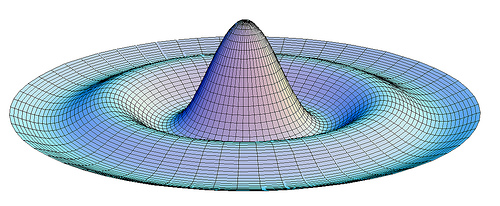
This tool allows you to periodically grab stack traces and record calls to a library that are then saved as unit tests. It’s a shortcut to getting coverage for a library that’s already in production and stable.
zavg/Asis · GitHub
Asis – Tool to deal efficiently with legacy code through creating and running characterization tests automatically.
The main idea is the following: while user or tester is using your product (for example, Web site) the Asis tool records the function calls which are performed, the sets of arguments which are passed to the function and the received output. Output can be any, starting from strings, integers, HTML, JSON and finishing with serialized objects with complex internal structure. We don’t care what we receive – we just record it and approve as correct result, because we know that we are working with the stable release version.

I’m sitting on a pile of links I intended to share going back to September when I got really busy. Here are some I saved related to homeschooling and education. We kept Tre home this school year and a few months later took Henry out of public school. So far, it’s working out well, though there are definitely challenges.
What happens when a father, alarmed by his 13-year-old daughter’s nightly workload, tries to do her homework for a week
Get free K-12 video lessons; mobile apps; audiobooks, ebooks and textbooks; foreign language lessons; test prep materials; and web resources!
I’ve been gathering the best resources to teach children & teens programming?—?books, environments, apps, courseware and games.
These resources are meant for teachers and parents who want to have their children fall in love with computers and see the magic of programming.
A look at the history, performance and outcomes of the American homeschooling movement.
Contra Costa is one of nine counties statewide with an elementary school truancy rate greater than 25 percent, according to a new report by the state Attorney General.
Over a decade ago, I taught myself the basics of game programming and game development through the limited tutorial resources I could find on the Internet. Since then, the landscape of game development has changed drastically, and anyone can start creating their own games within weeks with a few Google searches. But let’s say you want to start developing your own games but don’t know where to start. Where do you go?
These look to be great resources for fellow homeschoolers.
New “JREF in The Classroom” Lessons!
The James Randi Educational Foundation is pleased to announce the release of four new additions to our JREF in the Classroom offerings:
- Pareidolia: Do You See What You Think You See?
- Illusions: Our Visual System
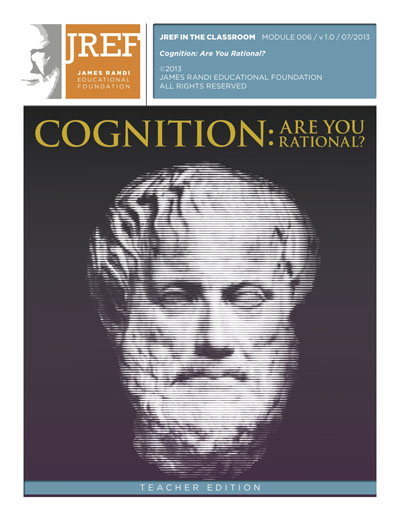
- Cognition: Are You Rational?
- Power Balance: Sports Enhancement, or Placebo?
These are downloadable lesson plans for use in high school and junior high school science and psychology classes that use topics in pseudoscience and the paranormal to teach critical thinking, skepticism, and scientific inquiry. Each lesson is designed to expose students to concepts identified in the National Science Content Standards and AAAS science literacy benchmarks.